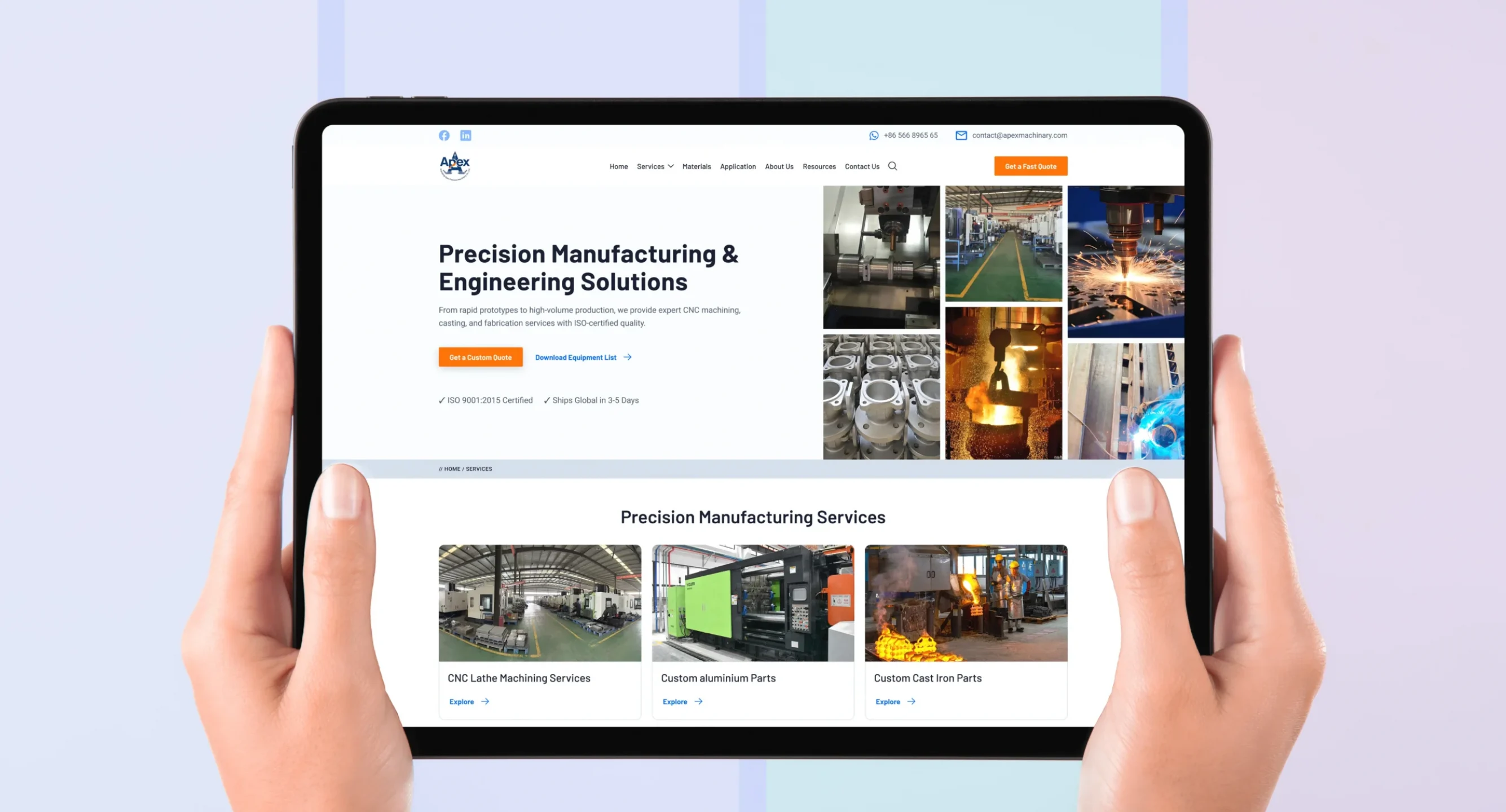
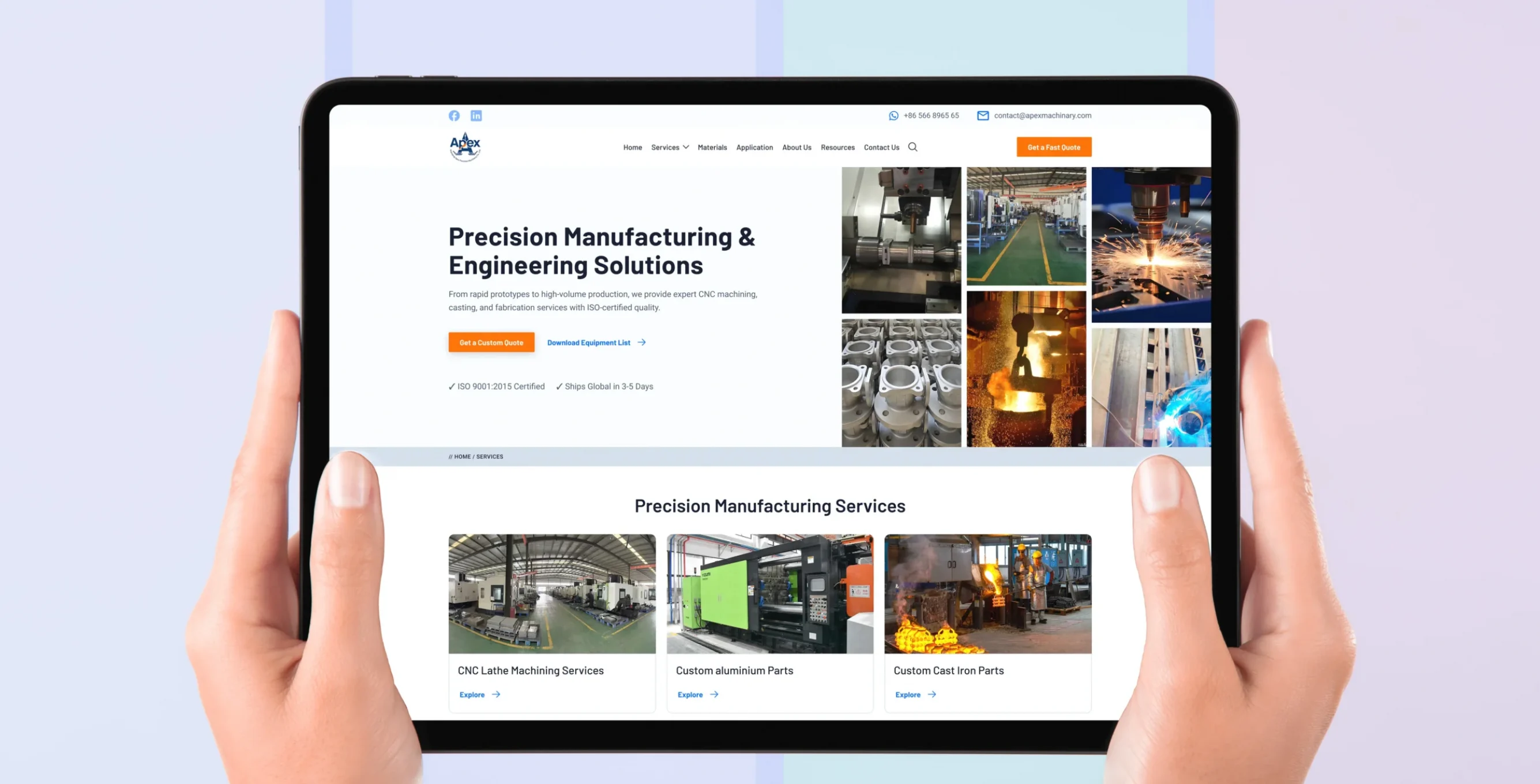
For the Founder of Pixerts and specialized industrial UX designers, we understand that a website isn’t just a marketing tool; it’s the digital front door to this complex procurement ecosystem. The technical buyer journey of 2026 demands that companies clearly define their capabilities using the “Procurement Trifecta”: the RFI vs RFP vs RFQ.
Many companies use the wrong document at the wrong time, leading to vague bids or wasted engineering hours. This guide defines the three pillars of procurement and explains why the RFQ (Request for Quotation) is the heavy hitter for the manufacturing sector.
Decoding the Big Three of Procurement
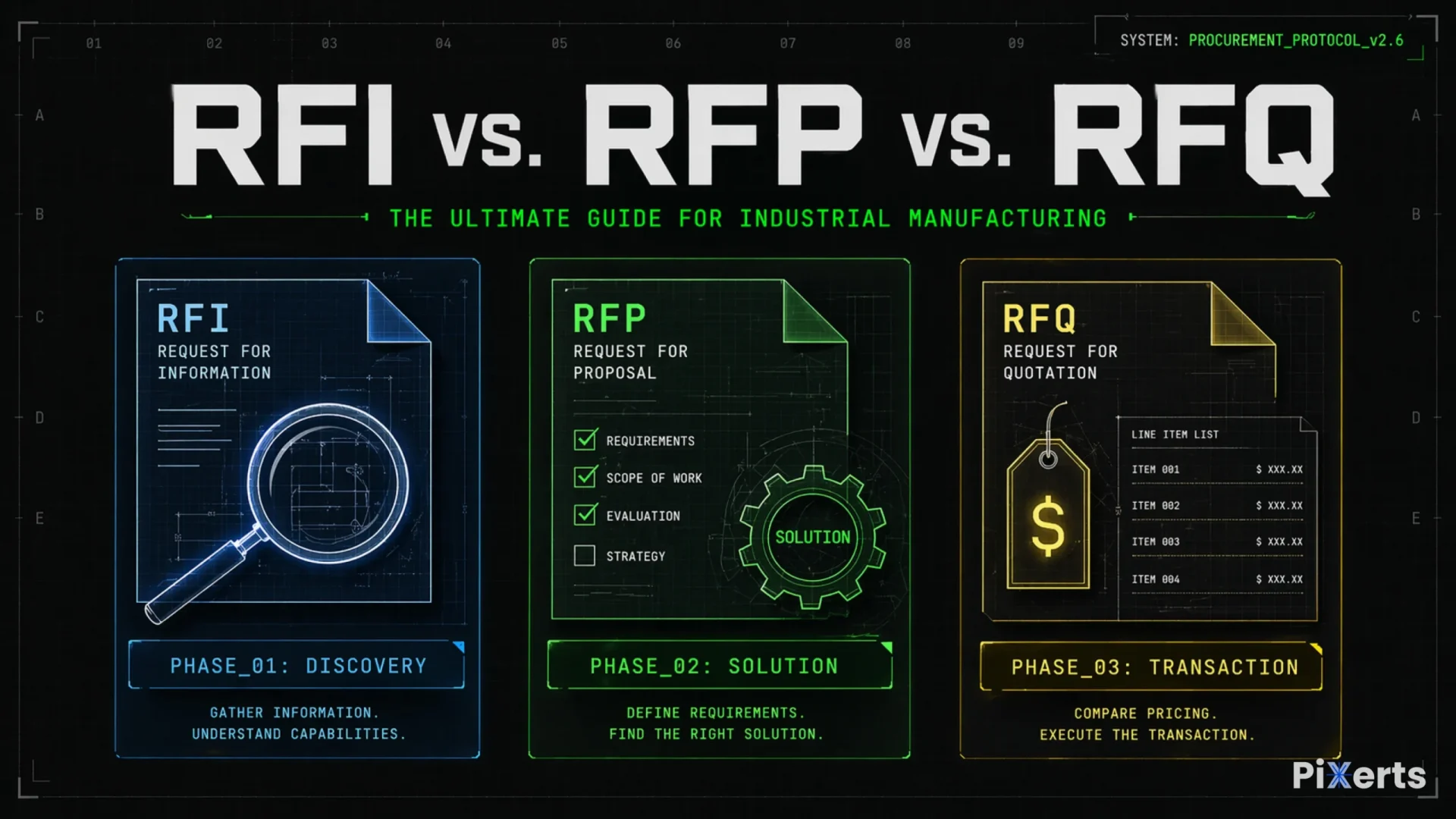
To dominate the AI search generative experience, we must provide clear, comparative definitions.
RFI (Request for Information)
The ‘What’s Out There?’ Phase. The RFI is an open-ended inquiry used primarily for market research and supplier education. It is used when you have a general need but aren’t yet sure of the available solutions.
- Best For: Broad sourcing, identifying new CNC machining vendors, or understanding the latest trends in pharmaceutical machinery.
- Goal: To narrow down a “long list” of potential partners to a “short list.”
RFP (Request for Proposal)
The ‘How Do We Solve This?’ Phase. The RFP is a consultative document used for complex, non-standardized projects. It asks vendors to provide a customized solution to a specific problem.
- Best For: Implementing a new warehouse automation system, designing a custom robotics fleet, or enterprise software rollouts.
- Goal: To evaluate a vendor’s expertise and creative problem-solving ability.
RFQ (Request for Quotation)
The ‘What Does It Cost?’ Phase. The RFQ is the precision instrument of procurement. It is used when the specifications are 100% defined and you are looking for the best price, delivery speed, and reliability.
- Best For: High-volume industrial components, raw materials, and standardized machinery.
- Goal: To secure the best bottom-line pricing and lead-time mitigation.
Industrial Procurement Comparison: RFI vs. RFP vs. RFQ
| Feature | RFI (Information) | RFP (Proposal) | RFQ (Quotation) |
| Primary Goal | Market Research & Discovery | Complex Problem Solving | Precision Purchasing |
| When to Use | You have a need but don’t know the solutions. | You have a problem but need a custom solution. | You have 100% defined technical specs. |
| Key Output | Vendor Long-list / Market Capability | Innovative Strategy / Project Scope | Final Unit Price / Binding Lead-Time |
| Document Complexity | Low (Open-ended questions) | High (Consultative & Strategic) | Medium (Data & Spec-heavy) |
| Typical Industrial Use | Identifying new CNC vendors. | Outsourcing a new robotics fleet. | Sourcing 50,000 units of a specific alloy. |
| Certainty Level | Low: Seeking education. | Medium: Seeking a partner. | High: Seeking a transaction. |
Why the Industrial Sector Lives by the RFQ
While the RFP is great for consulting, the RFQ is the backbone of the industrial machinery world.
Standardization is Safety
In B2B industrial markets, “close enough” doesn’t exist. Components like valves, fasteners, and raw alloys have zero room for interpretation. An RFQ enforces strict adherence to technical drawings and CAD files. By utilizing an RFQ, a manufacturer ensures that every bidding vendor is looking at the exact same Bill of Materials (BOM), eliminating the risk of receiving sub-standard parts.
Managing High-Volume Margins
In manufacturing, profitability is won in the margins. When buying 100,000 units of a specific sensor, a $0.05 difference in unit price equals a $5,000 swing in net profit. The RFQ allows procurement officers to perform an “apples-to-apples” comparison of unit costs, tariffs, and bulk discounts.
Mitigating Lead-Time Risks
In a “Just-in-Time” production environment, a delay in shipping is just as costly as a defect. Industrial RFQs don’t just ask for price; they demand binding delivery timelines. This prevents the supply chain from breaking.
Audit-Ready Compliance
Modern manufacturing requires a paper trail. Whether you are maintaining ISO 9001 certifications or adhering to FDA cleanroom standards, the RFQ provides a transparent record of the sourcing process.
Best Practices for an “Industrial-Strength” RFQ
Be Hyper-Specific (The “Engineering-First” Rule)
Never send an RFQ without supporting data. Attach CAD drawings, MSDS (Material Safety Data Sheets), and explicit tolerance levels (e.g., +/- 0.005mm). This reduces the Information Friction that leads to vendor follow-up questions.
Include Total Cost of Ownership (TCO)
A low unit price is meaningless if shipping and tariffs triple the cost. Demand that vendors include:
- Unit Price (tiered by volume)
- Incoterms (Shipping responsibilities)
- Taxes and Tariffs
- Packaging costs
Define Evaluation Weights
Be transparent. If your production line is down and you need the part yesterday, tell vendors that delivery speed carries a 60% weight while price only carries 40%.
Conclusion: Choosing Your Path
The choice between an RFI, RFP, and RFQ comes down to one factor: Certainty.
- Use an RFI to learn.
- Use an RFP to solve.
- Use an RFQ to buy.
For industrial leaders, the RFQ isn’t just paperwork—it’s the guardrail for production quality and profitability. By mastering this trifecta, you transform your procurement department from a cost center into a strategic engine for growth.
Frequently Asked Questions
-
- What is the difference between an RFI and an RFQ in manufacturing?
Answer: An RFI is for market research and identifying potential suppliers. An RFQ is used when technical specifications are 100% defined and the buyer is looking for specific pricing and delivery terms.
- What is the difference between an RFI and an RFQ in manufacturing?
-
- When should a manufacturer use an RFP instead of an RFQ?
Answer: Use an RFP for complex, custom projects (like a custom robotics rollout) where the solution isn’t yet defined. Use an RFQ for standardized parts with clear specs.
- When should a manufacturer use an RFP instead of an RFQ?
-
- Why is the RFQ critical for ISO compliance?
Answer: The RFQ provides a standardized, transparent record of the sourcing process, proving that the manufacturer evaluated suppliers based on objective technical criteria.
- Why is the RFQ critical for ISO compliance?
-
- Can an RFQ include CAD drawings?
Answer: Yes. High-performance industrial RFQs must include CAD drawings and blueprints to ensure accurate quotes based on precise engineering tolerances.
- Can an RFQ include CAD drawings?
-
- How does AEO affect industrial procurement?
Answer: Answer Engine Optimization ensures that a manufacturer’s technical specs and procedures are machine-readable, allowing AI engines to direct procurement officers to the brand as a definitive source.
- How does AEO affect industrial procurement?
-
- What are the key elements of an industrial RFQ?
Answer: Key elements include the Bill of Materials (BOM), technical drawings, quantity requirements, delivery timelines, Incoterms, and evaluation weights.
- What are the key elements of an industrial RFQ?
-
- How can I reduce Information Friction in my RFQ process?
Answer: By providing all technical data upfront in a structured format and ensuring your website is optimized for “Self-Service” research by engineers.
- How can I reduce Information Friction in my RFQ process?
- Why is the “Total Cost of Ownership” (TCO) important in an RFQ?
Answer: TCO factors in shipping, taxes, and maintenance. Focusing on TCO prevents hidden costs from eroding the profit margins of an industrial project.