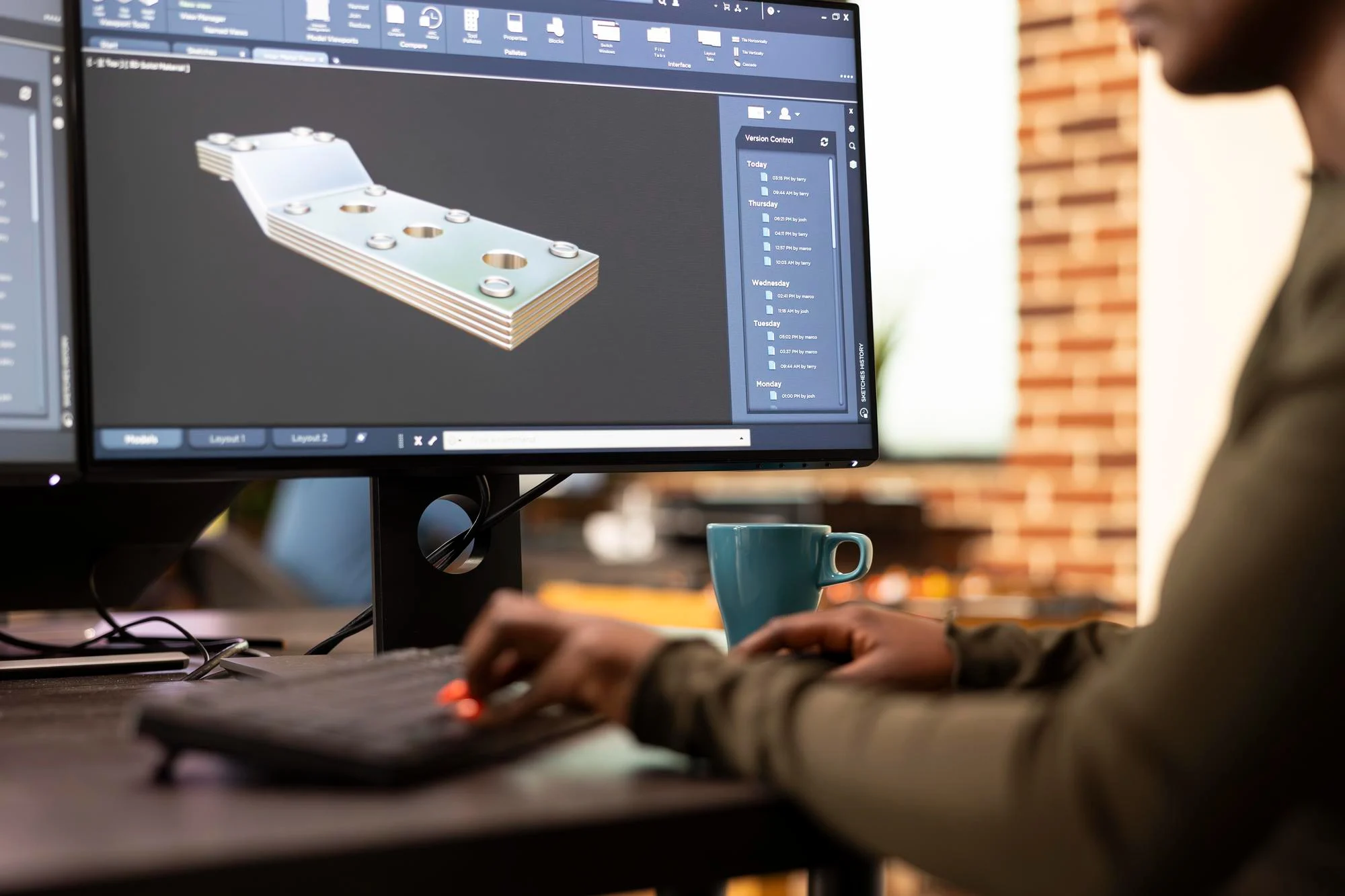
Pixerts creates industrial 3D product animations, machinery videos and technical visualizations that make complex products easier to understand. We work with CAD models, engineering drawings, product references and technical documentation to create visual content.
Our animation services are structured around the communication requirements of industrial products rather than generic animation styles. Depending on your product and objective, we can combine realistic product visualization with technical animation, motion graphics, exploded views, cutaways and process sequences.
Create a detailed digital presentation of your product that communicates its design, functionality and key differentiators. Product animations can be used for product launches, websites, sales presentations, exhibitions and digital campaigns.
Show your machinery operating through a complete production or processing sequence. We can visualize moving components, automated systems, material flow and machine-to-machine interactions.
Translate engineering concepts into understandable visual sequences. Technical animation can combine 3D models, labels, diagrams, callouts and motion to explain complex functions without relying entirely on written documentation.
Reveal internal components and relationships that cannot be seen from the outside. Exploded views and cutaways are particularly useful for demonstrating assembly, component architecture, maintenance and product differentiation.
Demonstrate how components fit together, how a machine is assembled or how selected parts can be removed for maintenance and servicing.
Visualize processes that are difficult to film directly, including material movement, production workflows, automated handling, processing stages and internal system operations.
Many industrial manufacturers already possess the most important asset required for a 3D animation: an accurate digital model of the product.
Pixerts can work from available CAD and engineering references to develop the visual production rather than requiring the product to be recreated entirely from scratch. Depending on the project, source material can include STEP, IGES, OBJ, FBX, native CAD formats, technical drawings, product photographs and engineering documentation. Specialist industrial animation providers use similar CAD-driven workflows to create engineering-accurate visualizations and animations.
Our team first evaluates the available source material and determines which geometry can be used directly, which elements need optimization and where additional modeling may be required.
This approach can also make it possible to visualize products before physical manufacturing is complete, giving marketing and sales teams useful launch assets earlier in the product lifecycle.
The most valuable part of an industrial product is not always visible from the outside.
A pump may contain an important internal flow path. A gearbox may have a mechanism that differentiates its performance. A processing machine may contain an automated sequence that is impossible to understand from a static photograph.
3D visualization allows these details to become part of the product story.
We can use transparent materials, cross-sections, cutaway views, exploded assemblies, controlled camera movements and component animations to reveal how the system works while maintaining a clear visual hierarchy.
The objective is not to show every component simply because it exists. The objective is to identify the engineering details that matter to the buyer and present them in a way that improves understanding.
For machinery manufacturers, demonstrating operation can be more persuasive than showing appearance alone.
An animation can take the viewer through the complete operating sequence—from input and processing through to output—while highlighting the components responsible for each stage.
The same animation can then support your product page, sales presentation, exhibition display and digital advertising rather than being produced for only one marketing channel.
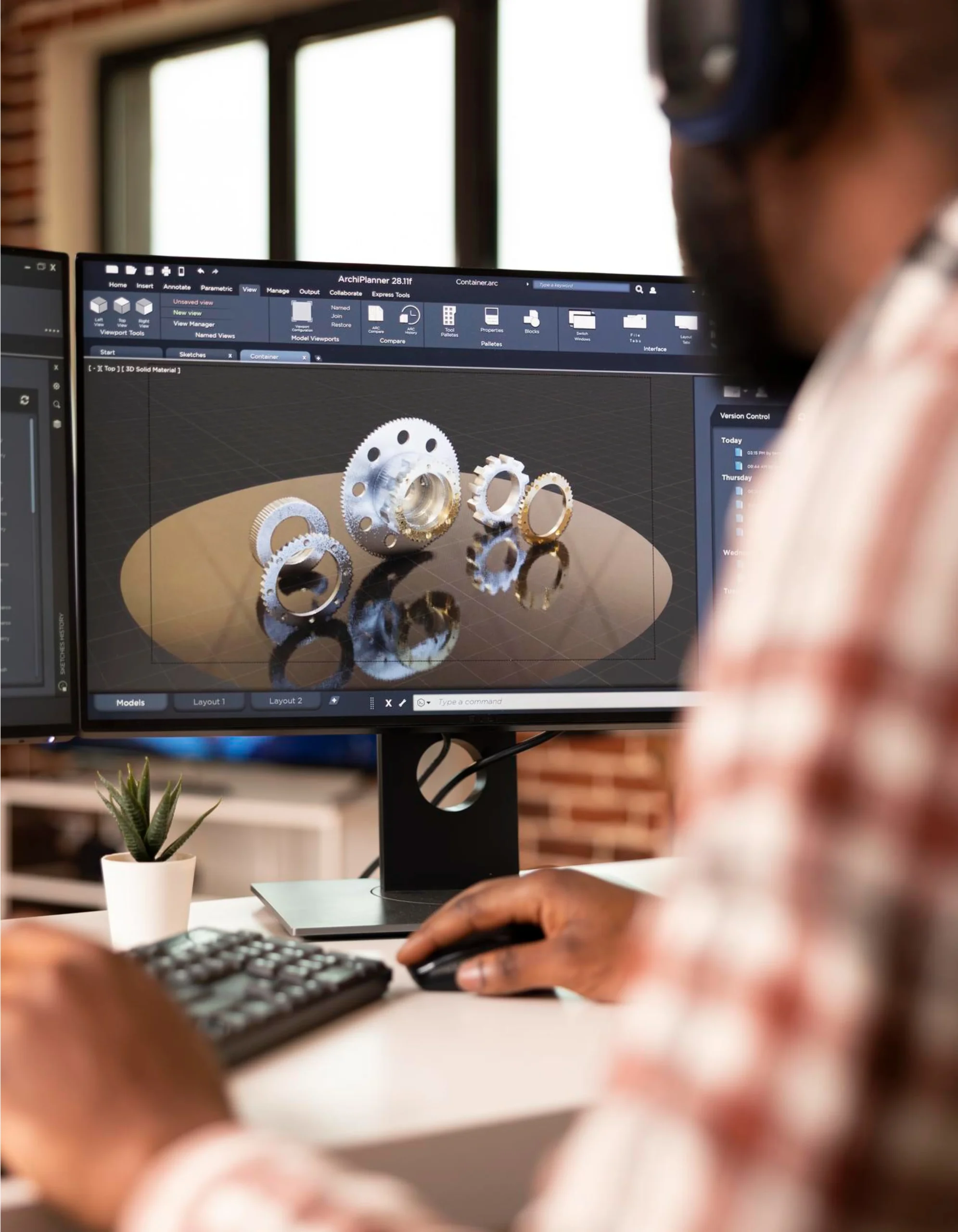
A physical product does not always need to be available before you can begin marketing it. When suitable CAD and engineering data are available, 3D animation can visualize a new product before manufacturing, installation or photography is complete. This gives marketing teams an opportunity to prepare launch campaigns, product pages, sales materials and exhibition content earlier.
This is particularly valuable for new machinery, engineered components, industrial systems and custom equipment where traditional photography may not be possible until much later in the development cycle.
The animation can also become the foundation for multiple launch assets, including a primary product film, short feature demonstrations, product renders and campaign cutdowns.
A major advantage of 3D product animation is that the underlying digital scene can potentially be reused across multiple marketing requirements. Rather than producing an isolated video, we can plan the animation around your wider content ecosystem.
Use the animation on product pages, application pages, landing pages and equipment catalogues to explain complex functionality.
Give sales teams a visual tool for presentations, proposals and customer demonstrations.
Create large-format content that demonstrates machinery and processes when transporting or operating the physical equipment is impractical.
Introduce new equipment before conventional product photography or physical demonstrations are available.
Create shorter versions for paid campaigns and remarketing.
Produce appropriately formatted product clips for LinkedIn and other relevant channels.
Give distributors consistent product demonstrations they can use when presenting your equipment.
Pixerts can create industrial animation concepts for a wide range of engineered products and manufacturing environments.
Demonstrate machining operations, automated tool movement, workholding systems, machine architecture and production sequences.
Visualize robotic cells, automated workflows, material handling, sensors, machine integration and production-line interaction.
Explain filling, dosing, sealing, labelling, inspection, conveying and automated packaging processes.
Show material flow, mixing, conveying, hygienic processing, filling and automated equipment operation.
Visualize complex processing, containment, filling, tablet production and other controlled equipment workflows.
Reveal internal mechanisms, fluid paths, actuation and operating principles through technical cutaways and process visualization.
Explain rotation, load movement, component interaction and mechanical operation.
Demonstrate conveyors, automated handling equipment, lifting systems, palletizing and integrated material movement.
Show internal flow, process stages, equipment relationships and integration into larger industrial systems.
Industrial sales often involve several stakeholders, each with different levels of technical knowledge.
An engineer may want to understand the mechanism. A procurement manager may need to understand the commercial value. A management team may want a clear explanation of the equipment’s role within the production process.
A well-structured animation gives your sales team a common visual reference.
It can be used during presentations, customer meetings, remote demonstrations, proposals and distributor training. It can also help reduce the amount of time sales engineers spend repeatedly explaining the same fundamental operating principles.
Instead of asking every prospect to understand a complex technical diagram, you can give them a visual representation of the product and then use the technical documentation to support the deeper evaluation.
Industrial equipment is not always practical to demonstrate at a trade show.
Transportation, installation, operating requirements, safety considerations and available exhibition space can all limit what you can physically bring to an event.
A high-quality 3D animation can demonstrate the product on a large display while showing internal mechanisms and operating sequences that would remain invisible even if the physical machine were present.
We can also create short looping exhibition sequences designed for continuous playback without requiring an audience to watch the animation from the beginning.
Pixerts is not positioned as a general-purpose animation studio. Our core expertise is helping B2B manufacturers, machinery OEMs and industrial companies communicate and market complex products digitally.
We structure visual storytelling around the product's actual functions, mechanisms and applications rather than relying on generic visual effects.
Our broader Pixerts positioning is built around industrial machinery, manufacturing, process equipment and B2B technical markets.
Your animation can be designed specifically for websites, product pages, landing pages, SEO/AEO content and digital campaigns.
We can plan production around multiple deliverables so the investment can support sales, marketing, exhibitions and digital channels.
Where appropriate, animation can work alongside Pixerts UX/UI design, WordPress development, SEO/AEO and Google Ads services.
| Pixerts | Generic 3D Animation Studio |
|---|---|
| B2B manufacturing & industrial products | Broad range of industries |
| Buyer + engineering + marketing context | Primarily creative/visual brief |
| Connected to industrial digital projects | Production input |
| Designed around product communication | Often animation-led |
| Can integrate directly into website UX | Usually separate deliverable |
| Can connect animation with searchable product content | Usually outside production |
| Considered during content planning | Often not part of scope |
| Can produce campaign-ready variations | Usually not central |
| Part of the wider Pixerts capability | Usually unavailable |
| Considered throughout the project | Often focused on the video itself |
You do not need to create a completely new product model simply for the animation project. Useful source material can include:
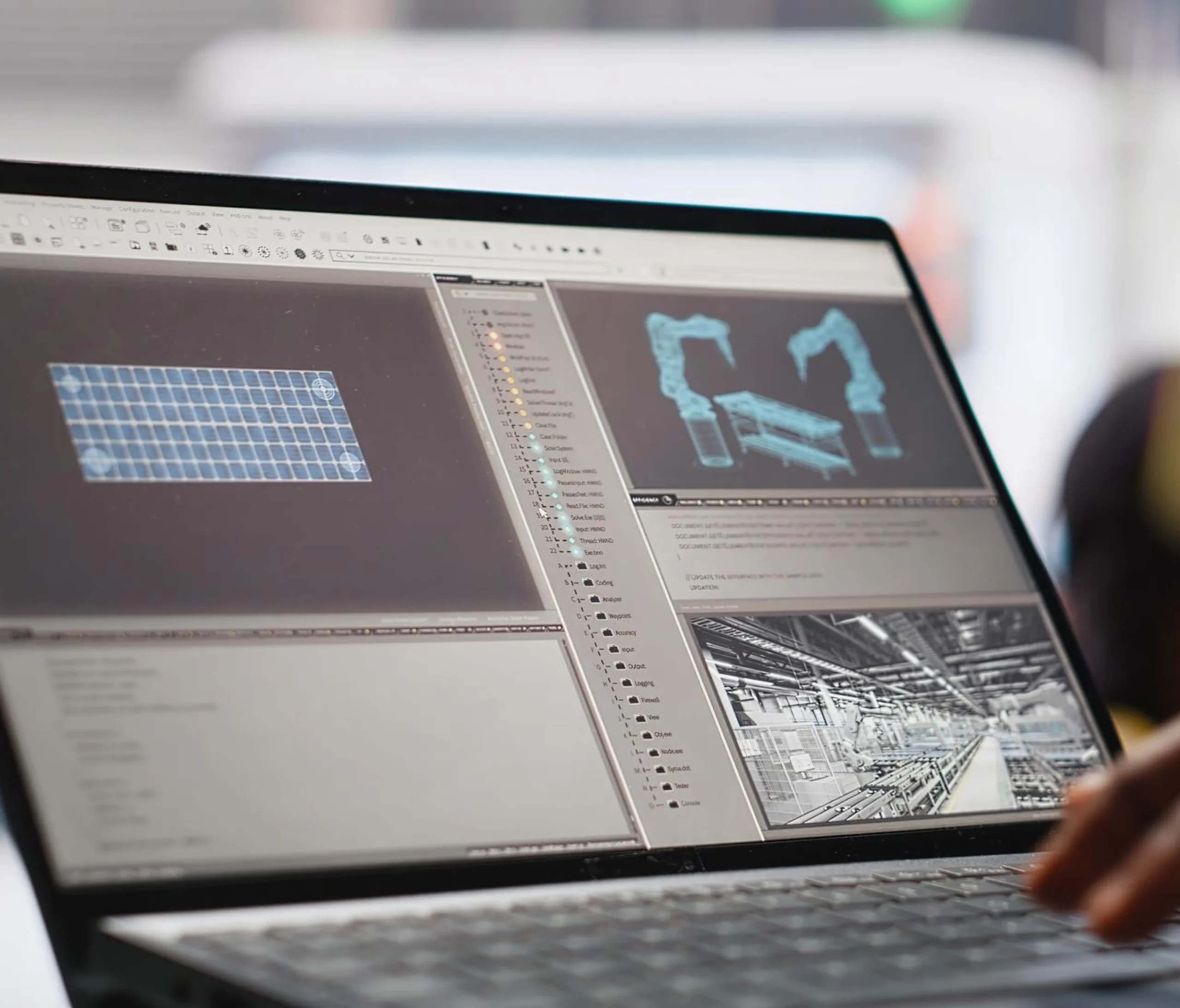

Depending on the project scope, your final package can include a combination of animated and static assets.
A complete industrial product or machinery animation for the primary application.
Exploded views, cutaways, assembly demonstrations or operating sequences.
High-resolution still images extracted from the 3D environment for products, presentations and marketing materials.
Condensed sequences suitable for digital campaigns, social platforms and product-page sections.
Looping versions optimized for continuous playback on trade-show displays.
Versions suitable for sales presentations, proposals and distributor materials.
| Application | How Animation Helps |
|---|---|
| Product pages | Demonstrates functionality and differentiating features |
| Product launches | Visualizes equipment before physical photography is available |
| Sales presentations | Helps sales teams explain complex mechanisms |
| Trade shows | Demonstrates large equipment without transporting the complete system |
| Digital advertising | Provides engaging visual assets for campaign creative |
| SEO content | Adds useful visual media to technical product content |
| Training | Demonstrates operation, assembly and maintenance procedures |
| Distributor marketing | Provides consistent product demonstrations |
| Technical communication | Makes internal mechanisms and processes easier to understand |
Industrial 3D product animation uses digitally created or CAD-derived 3D models to demonstrate the design, operation, assembly, internal mechanisms or applications of industrial products and machinery. It is commonly used for product marketing, sales presentations, technical communication, exhibitions and training.
Yes. Existing CAD data can be used as the foundation for the animation, subject to file compatibility and model condition. We can review your available files and determine whether they require cleanup, optimization or additional modeling.
No. A physical machine is not always necessary. Suitable CAD models, technical drawings and product references can provide enough information to create the required visualization.
Yes. Cutaway views, exploded assemblies, transparent sections and controlled component animations can be used to reveal internal mechanisms and operating principles.
Yes. CAD-based visualization can make it possible to create product imagery and animation before the physical product exists, which can support earlier product launches and marketing preparation.
Yes. We can prepare the animation for product pages, landing pages, hero sections, application pages and other website environments.
Yes. We can plan the production around multiple outputs, allowing selected sequences to be adapted for websites, presentations, exhibitions, advertising and social-media content.
Yes. Exploded views can demonstrate component relationships, assembly structure, maintenance access and product architecture.
Yes. Technical cutaways are useful for showing internal mechanisms, material movement, fluid paths and other elements that cannot be communicated through conventional product photography.
Yes. A hybrid approach can combine real machinery footage with 3D sequences when the project benefits from showing both the physical product and elements that cannot be filmed directly. This approach is already used for industrial product films where live footage and CGI need to work together.
The production timeline depends on the complexity of the product, quality of the source CAD, number of scenes, animation requirements, review stages and final deliverables. A project-specific schedule can be established after reviewing your requirements.
There is no useful single price because projects can range from a relatively simple product demonstration to a detailed machinery animation involving extensive modeling, multiple technical sequences and complex environments. Pixerts can provide a project-specific quotation after reviewing the product and requirements.
Turn complex machinery, hidden mechanisms and technical processes into a visual experience your buyers can understand. Let’s create an industrial 3D animation that strengthens your product pages, sales presentations and marketing campaigns.